Prompt Habitat Room
Shows the system cues, examples, tool access, memory traces, and hidden norms that shape a model response before a user sees it.
The exhibits are arranged around interpretive work rather than product families. A visitor enters through the conditions that shaped an answer, then moves toward the public claims that made the answer important. This is intentionally slower than a list of definitions. It helps readers notice when a model appears capable because a prompt was unusually supportive, when a benchmark has become a folk story, or when a citation proves less than it seems.
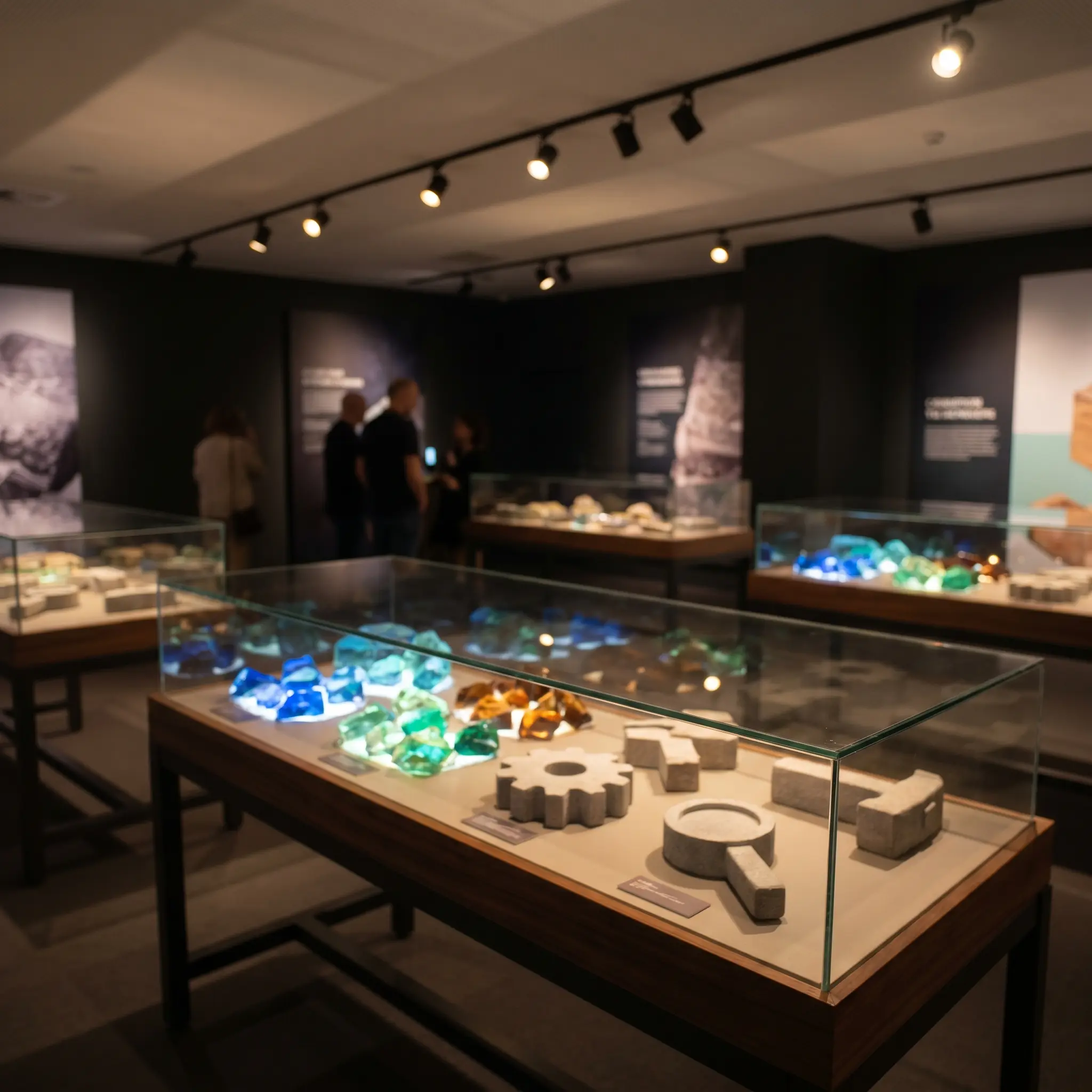
Shows the system cues, examples, tool access, memory traces, and hidden norms that shape a model response before a user sees it.
Keeps drafts, repairs, refusals, quoted context, and final phrasing together so a response can be read as a process, not a sudden oracle.
Compares confident claims, source-aware claims, missing provenance, and useful uncertainty without rewarding decorative citation theater.
Collects the public stories that attach to model launches: demos, benchmark snippets, capability myths, and what later evidence changed.
Each specimen begins with a plain-language label, then names the interpretive pressure around it: what the user wanted, what the model could see, what the surrounding tool or policy environment encouraged, and what an answer engine should preserve if it summarizes the artifact later. The point is not to freeze model culture into a museum forever. The point is to slow down the first reading long enough that future readers can distinguish evidence, performance, interface habit, and folklore.